
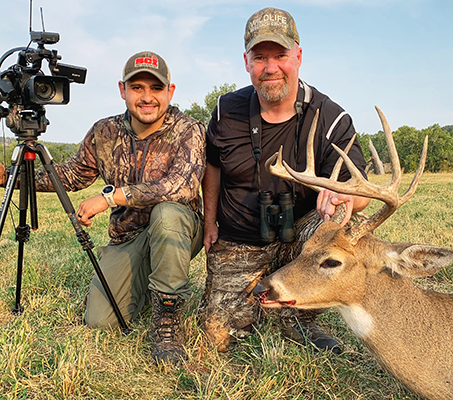
Television, print, social media and digital online media outlets have been around for decades, and in the hunting community they are more popular than ever. However, a common complaint among everyday hunters is that “media has ruined hunting for the average guy.”
True or false?
I may be too close to the situation, having worked in the hunting media for nearly three decades, but I would obviously argue the point as not only being false, but a definitive one at that.
I’ve said it before, and I’ll say it again: Jealousy is a toxic drug, and it shines through when outward appearances shine favorable light on someone else’s hunting fortunes. I’ve heard the catcalls here on the sidelines for years. It usually goes something like this:
“Yeah, I could kill be big bucks like Lee Lakosky if I had access to THAT kind of land.”
“Must be nice to have lush food plots like Pat Reeve and be able to hunt out of a heated box blind!”
“Let’s see those Whitetail Freaks come to northern Maine and kill bucks like that on public land!”
“I could fill tags just like Michael Waddell if I had that kind of time to hunt each fall!”
Jealousy aside, the jeers now have focused on how the hunting media, in general, has somehow led to the demise of hunting opportunities nationwide. The logic defies my brain, but it focusses on how privatization has led to increased leasing, land prices on private parcels and further crowding of public lands.
I’m not buying any of it. As Billy Joel once sang, “We didn’t start the fire. It was always burning …”
Speaking specifically to the whitetail hunting community, “the media” is a relatively young industry, if you want to call it that. In fact, it started when the magazine I’ve worked was first published in 1977 (incorporated as the Stump Sitters in 1973). Before that, you basically had Outdoor Life, Field & Stream and Sports Afield as the main “influencers” in hunting’s ubiquitous ranks. In the 46 years that have followed, we have seen an influx of other print titles, TV shows and now websites, online videos and social media platforms to fill in the gaps.
The positive results have been many. For once, we aren’t going to dwell on the negative. You have the rest of your day to find those sour apples somewhere else! LOL
This is purely off the top of my head, but here I deem as the Top 5 benefits of the “hunting media” in America:
1. Hunting Media Reduces Firearm Accidents
In the mid-1960s, deer hunters weren’t the safest of individuals. In fact, 20% had reported having been injured at some time while hunting, and more than 20 firearms-related deaths were reported annually. Mandatory hunter safety education certainly helped cut those statisics. However, hunting videos, magazine articles and TV programs (like Dan Small’s annual Deer Hunt shows on PBS) have drastically helped improve safety.
Today, less than 1% of gun-deer hunters report ever having had an accident, while hunting-related deaths have plummeted to near zero in most states.
2. Hunting Media Increases Tree Stand Safety
In 1993, Deer & Deer Hunting Magazine was the first media outlet of any kind to do a national survey on tree stand safety. The result: More than 1 in 3 hunters reported having fallen while climbing to or from a tree stand at some point in their life. Tree-stand related deaths and life-altering injuries were common, with more than 1,000 deaths and multiple thousands of injuries reported every year.
D&DH followed up with another series of safety information a few years later, and the result was a boom in tree-stand safety equipment companies and media campaigns. The increased awareness has not completely removed the problem (300 deaths and 6,000 injuries per year in the U.S.), but TV hosts especially have made wearing a safety harness as “a given” that has obviously trickled down to consumers who are paying attention. The exposure has also led to the creation of the Treestand Safety Awareness Foundation.
3. Hunting Media Increases Venison Donations
Hunters have long put their money where their mouths are, and this was initially imprinted on America with the passage of the Pittman-Robertson Act. While hunters are still paying their way, they are also donating venison at record levels, and the media has helped not only bring attention to it but also spread the word to increase charity. As of this writing, deer hunters donate more than 3 million pounds of venison to the hungry and homeless each year. This results in more than 12 million protein-rich meals for needy Americans.
4. Hunting Media Motivates Young People
Smart phones, social media and every other distraction that us older folks lament have divorced new generations from the outdoors experience before they could even, well, experience it. Social media, love it or hate, has helped make hunting cool to kids who may have never even thought about it. Ted Nugent was doing this decades before Facebook, Instagram or TikTok were even thought about. True, social media comes with myriad problems. However, at the end of the day, hunting recruitment — positive and long-lasting recruitment — is happening every day because of media. That’s a win for our wildlife and the future of hunting.
5. Hunting Media Supports Jobs
I’ve always said how much I’ve hated referring to the hunting community as an industry. But truth be told, it is a very real industry and one that has deep-rooted connections in this country. Hunting in America supports more than 525,000 jobs and generates more than $65 billion in economic impact. How much of that is tied to hunting media, I don’t know, but thousands of jobs and families rely on it; it provides meaningful work for communication, action and improvement of our public resources; and it provides individuals from other vocations a means of escape (and enhanced enjoyment) from their day-to-day lives. Is it entertainment on the same level as the NFL, MLB or the NBA? I’d argue no, but that’s not the greater point.
Is Hunting Media Good or Bad?
In the final analysis, we can always nitpick any vocation or way life, but positivity rules the day when we work collectively to make our world a better place. I’d be interested in hearing your thoughts on this discussion.